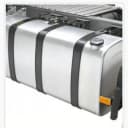
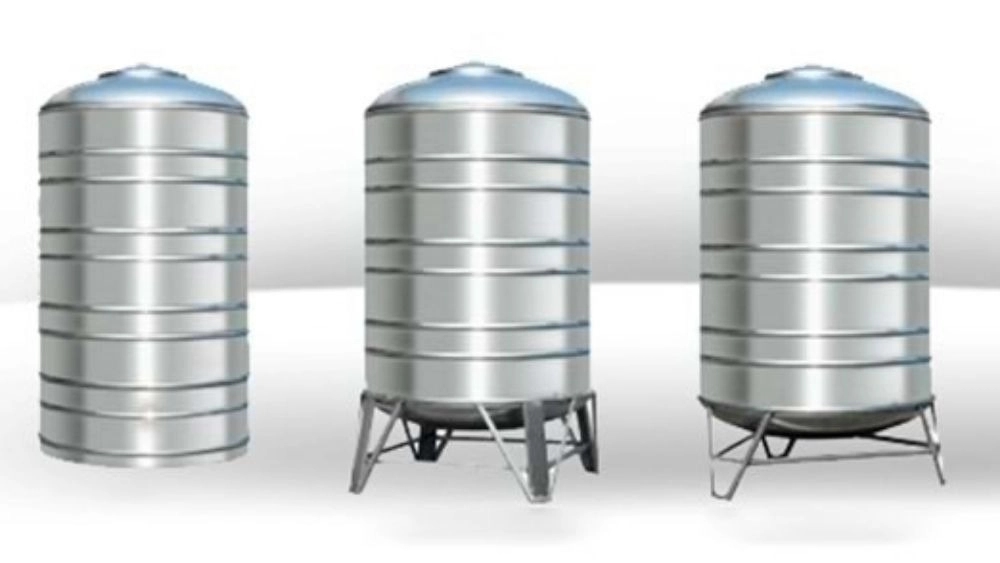
When it comes to storing liquids in various industries, choosing between metal and plastic tankers is one of the critical decisions that must be carefully and carefully studied. Each of these two types of tankers has unique features and features that ultimately determine their performance and application. On the one hand, metal tankers with their durable and stable structure, usually for cases where the need for greater strength and protection is used; On the other hand, plastic water tankers with features such as lightness and flexibility look more suitable for applications that require less weight and corrosion resistance.
What is a metal water tanker?
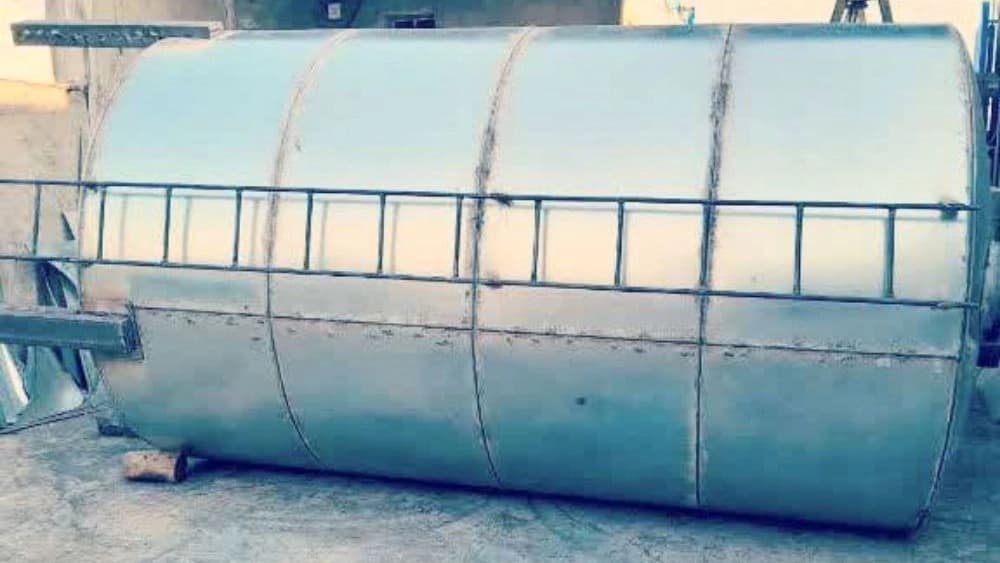
The features of metal water tanker
Metal tankers are very popular than other tankers because of their high resistance and excellent corrosion and impact performance. Steel tanks are perfectly suitable for storage of drinking water and will not enter any dangerous substances. Because the steel used in the construction of these tanks is a stainless steel, so; By being in the open environment, they will not ring and do not corrode. But be careful that there is still little chance of leakage and you have to be careful.
Another type of metal tanker is galvanized tanks used for many industrial applications. These tankers use a type of ultraviolet coating that will make them a very sun -resistant option. Also, compared to metal tankers, polyethylene tanks are another suitable choice for water storage that are popular in many industries due to features such as corrosion and light resistance. These tanks, in addition to being safe for drinking water, also perform well against temperature changes and are a good option for use in different environmental conditions. Usually, for the manufacture of metal tanks, they consider internal and external coatings, which are considered internal and external coatings. Interior coatings are embedded to prevent corrosion. Exterior coatings are stainless and prevent tankers from rusting adjacent to oxygen. Metals work well against heat and can maintain the desired water temperature for a long time. Therefore, if you are active in the field you need, you can use metal tankers to transport or maintain your water. Usually, the tankers are used to prepare for washing. . That is, no matter how much you clean in the tankers, they will see no harm.
Applications of metal water tanker
metal water tankers, depending on their nature, can be used in different areas. Some of these applications are:
Water storage
Agriculture
Construction and construction industries
Petrochemical Industry
Fire Department
Is the metal water tanker better or plastic?
To determine the best type of tanker, the difference between a metal and plastic tanker must first be stated. The main difference between plastic and metal tankers is the type of material. Plastic tankers are made of materials such as polyethylene that will be very suitable for industries such as food and pharmacy. Plastic tankers are usually made of polyethylene, about 30 years old. It is true that with an anti -UV coating, they can be resistant to sunlight, but they are not highly resistant to severe impacts and are easily damaged. Compared to plastic tankers, metal tankers are better for impact resistance. Are. These tankers are longer than plastic tankers and can last more than 25 years. Tankers can have this longevity when the process of producing them is carefully completed and no seams or holes are created. Plastic tankers or polyethylene are very light, so; They are easy to transport and can be easily transmitted. In contrast, metal tankers are difficult to transport because they are highly weight, and will probably cost more to transfer.
The difference between metal and plastic tankers
Plastic and metal tankers differ very much from each other. Now, these features can also be considered an advantage. So the benefits or differences of metal and plastic tanker can be stated:
The amount of diversity in production
Maintain water quality One of the differences between metal and plastic tankers
Make galvanized tankers using a few layers so that the metal in these sheets does not penetrate the water inside the tanker. On the other hand, these layers can also protect the sheet from corrosion. The preservation of water quality in metal tankers usually depends on their construction quality. Manufacturers who meet all the necessary standards will usually produce high quality products. In tankers with low manufacturing quality, the likelihood of other metals will penetrate into the fluid inside the tanker.
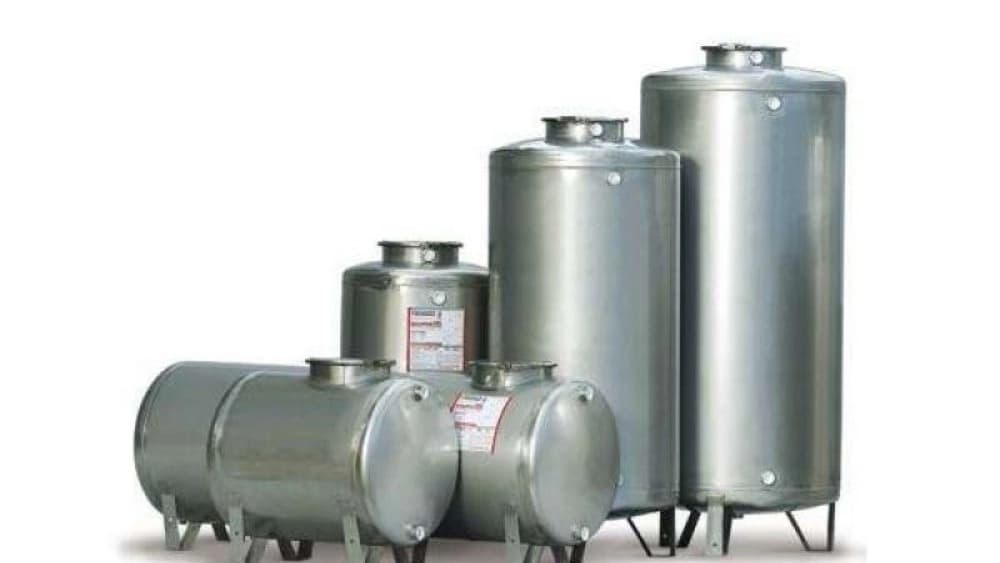
Lifetime
Galvanized tankers decrease significantly because they have rust. In contrast, plastic tankers such as corrosion do not occur and can also be used for drinking water, they will have longer life. . Water that is refined and does not have much minerals has less impact on the inner cover of tankers; As a result, they do not get corrosion. Despite all this, if the metal tankers are stored in the right condition and have regular repairs, they can last for many years. If manufacturers use high quality materials to make metal tankers, they can easily bring them a long life length of 20 years. When transportation and displacement, tankers are exposed to a lot of impacts and in The face of insufficient resistance is damaged; But metal tankers are not damaged due to their high strength when hitting or hitting different objects and only if the impact is severe, it can be concluded. Special for themselves, and depending on the type of application, it can be identified which one is better.
نظرات و تجربیات شما
دیدگاه شما چیست؟
با ثبت امتیاز خود، به ما در تولید محتوای بهتر کمک کنید.